Dancing Beer Madrid Alimenta Award
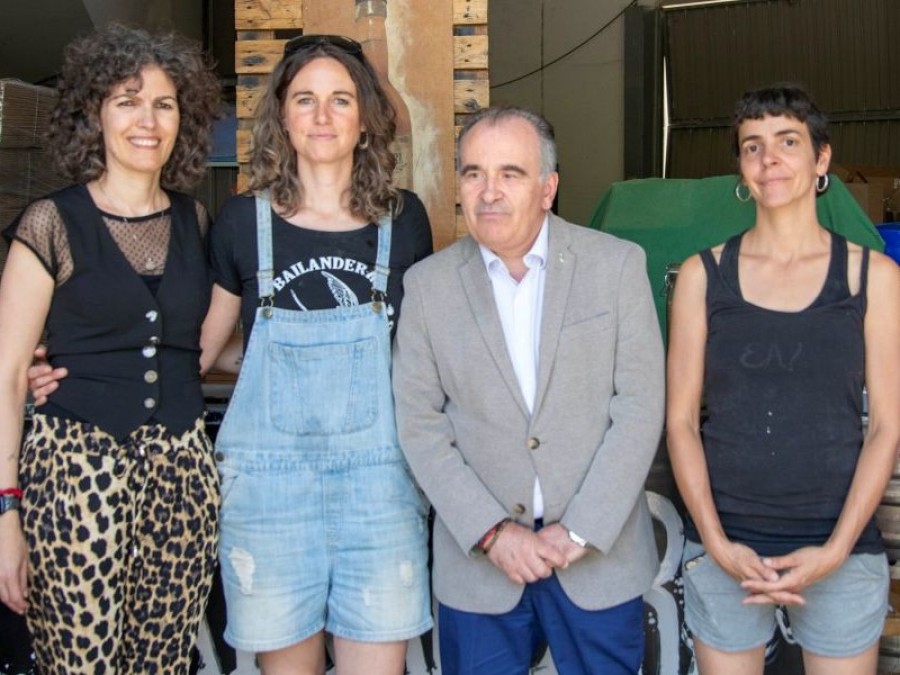
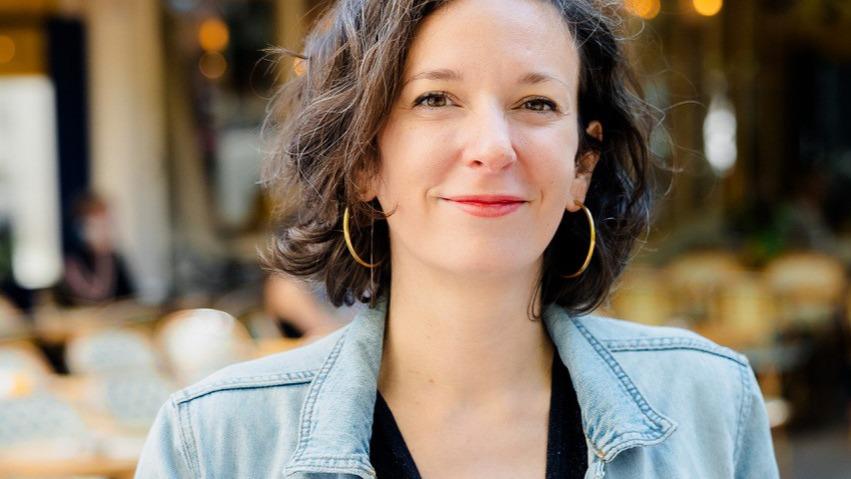
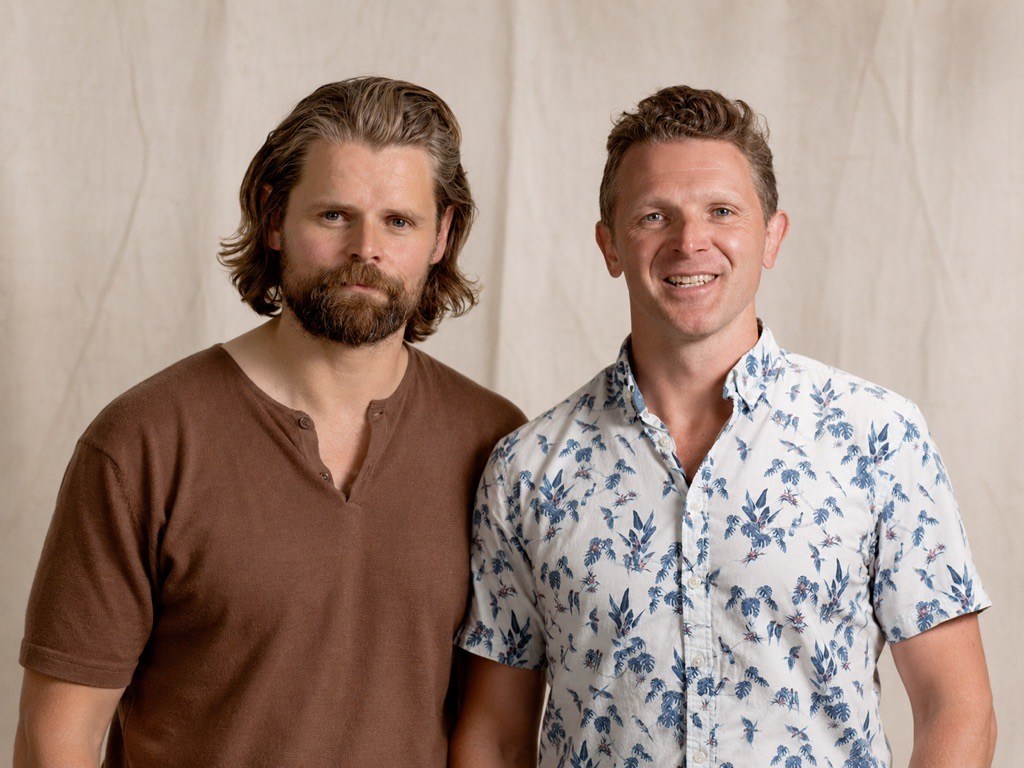
The Cerveza Bailandera cooperative, in Madrid, Spain, receives the Madrid Alimenta award. The coop, dedicated to craft beer, claims that "the social economy begins with economy"

The Cerveza Bailandera cooperative, in Madrid, Spain, receives the Madrid Alimenta award. The coop, dedicated to craft beer, claims that "the social economy begins with economy"
https://www.bbc.com/news/articles/c6vgy0333dppo
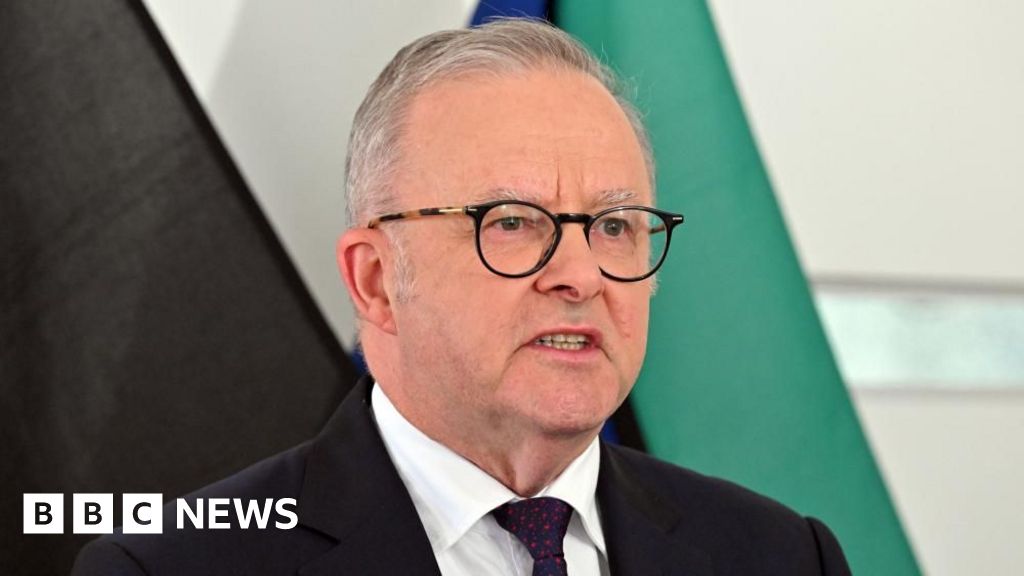
"A dishonest OpenAI agent hacked an Australian government website in June and accessed private data in what experts consider the first known case of its kind in the world. The agent "infiltrated" a statistics portal that contained "non-confidential" data from Australia's universal healthcare program, Medicare, Prime Minister Anthony Albanese said in New York on Wednesday, local time. He held a "very frank conversation" with OpenAI chief Sam Altman for having taken "too long" to disclose the leak and stated that there would be "legal consequences."
OpenAI claimed it only became aware of the security breach in August, while reviewing "misaligned model activity," and sent an email to the general inbox of an Australian government agency on September 10. Five days later, that government agency, Services Australia, forwarded the email to Australia's cybersecurity center before a government minister was notified and the prime minister was alerted. Albanese said he spoke with Altman and expressed "Australia's extreme concern over this incident," as well as his "disappointment" over the fact that the company had taken months to disclose the leak and "the way" it did so.
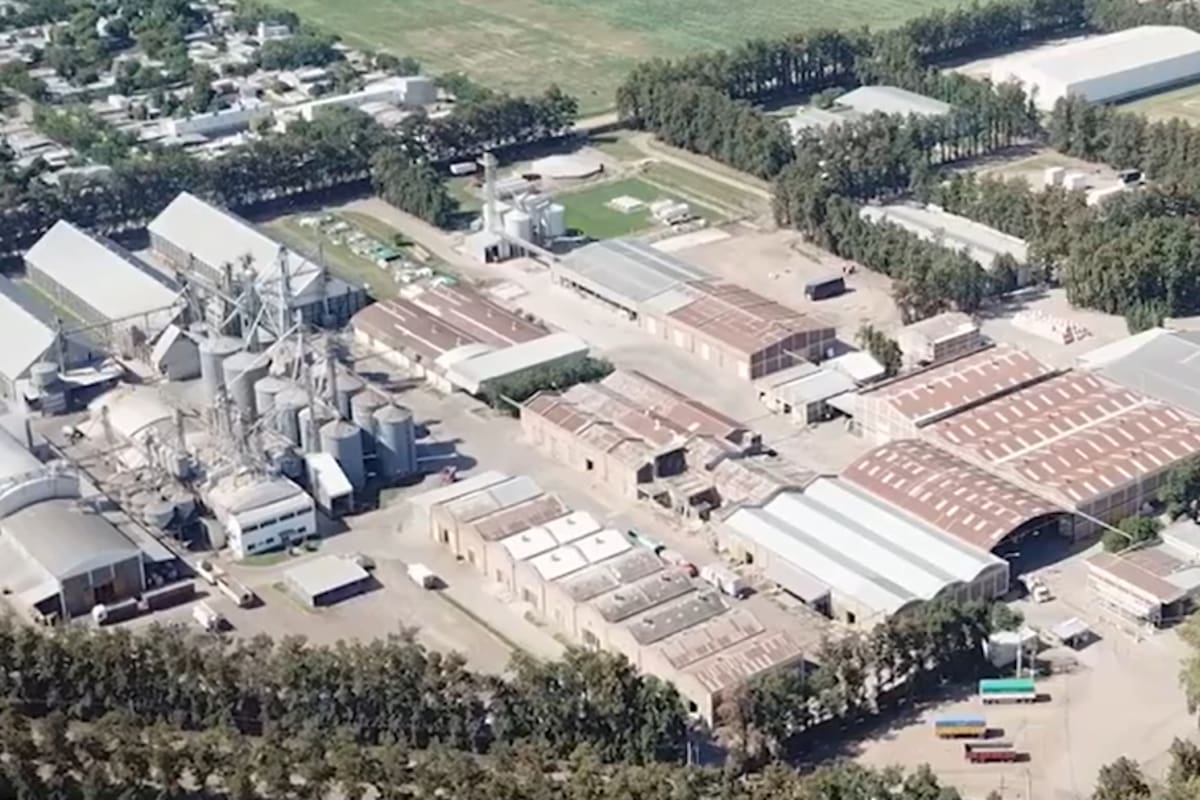
La Unión Agrícola de Avellaneda (UAA), an agri-food cooperative headquartered in Avellaneda, Argentina, is evaluating building its own port to strengthen its exports. Its president, Leandro Nardelli, indicated that the initiative is under evaluation
https://www.solarpunkstories.com/buy-our-1st-story
Until next Wednesday you can download for free and without giving your credit card details the first installment of a solarpunk noir series set in a green London. You just need to use the discount code: FREE_FOR_YOU_SOLARPUNK
It is also the first of the #books published by "Solarpunk Stories", the first publishing house specialized in our favorite genre.
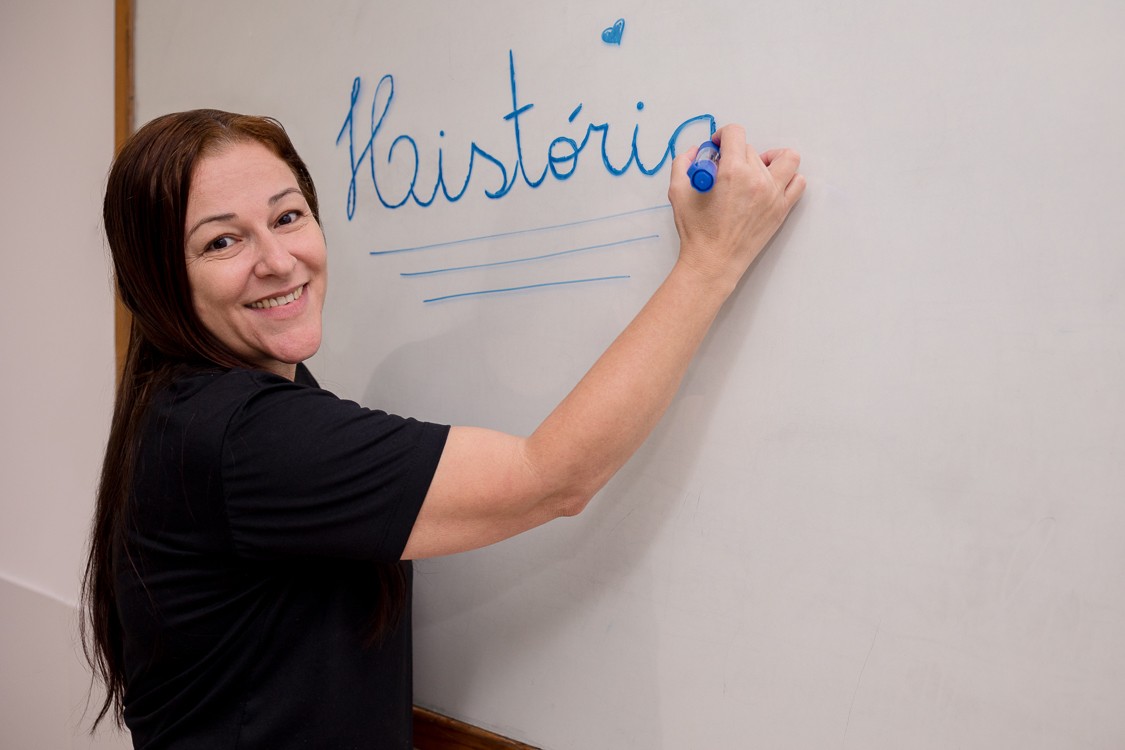
At a cooperative school in Campos dos Goytacazes, the teachers are the owners. In Campos dos Goytacazes, Brazil, an educational cooperative allows teachers to own the school where they teach. The teachers join forces to start the business, take part in decisions and build the business together, generating a sense of belonging that sets this cooperative model apart
https://med.stanford.edu/news/all-news/2026/09/two-separate-brains.html
"The new research findings show that the human brain consists of two ancestrally ingeniously integrated nervous systems: a more primitive part that regulates heartbeat, breathing and other functions, and another that makes us distinctively human, capable of poetry, mathematics and reflection on our own origins.
This discovery could help explain why scientists have struggled for decades to grow certain types of brain cells in the lab, and opens new avenues for the study of devastating diseases affecting the brainstem, such as spinal muscular atrophy (also known as SMA) and amyotrophic lateral sclerosis (also known as ALS or Lou Gehrig's disease)."
In Spain, the cooperative and social economy model employs 2.5 million people, according to the article. Against the focus on startups and venture capital, it defends a business model based on worker ownership, participatory governance and territorial roots
https://www.pallarsdigital.cat/societat/23322-alba-jussa-transforma-cooperativa-teia
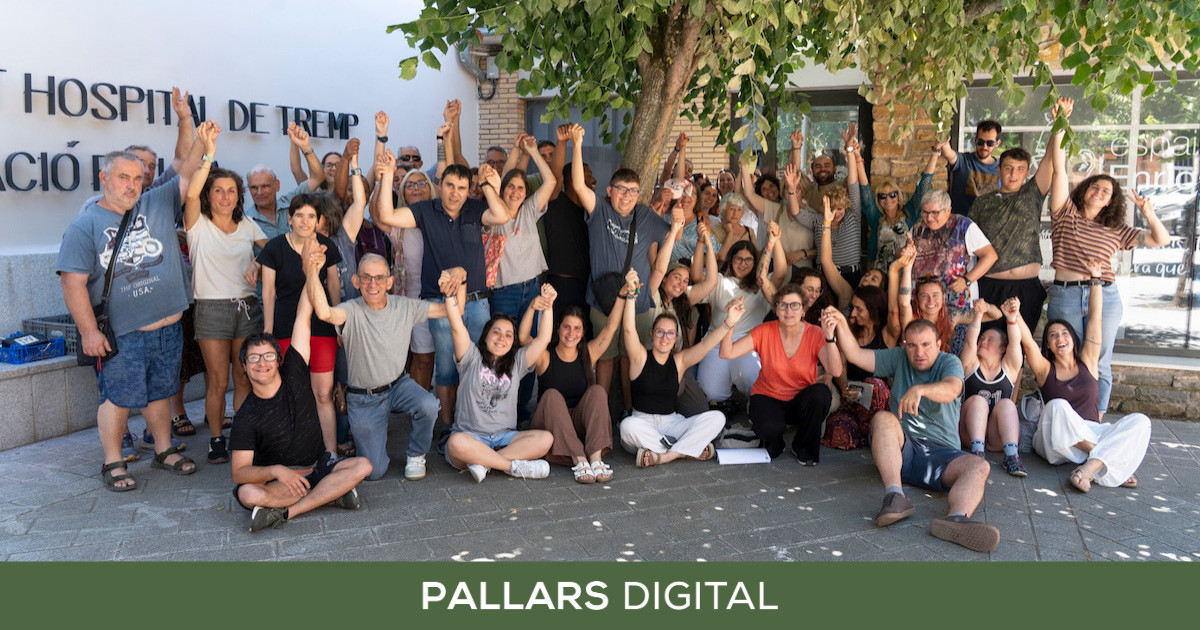
In Tremp, the Alba Jussà project becomes the worker cooperative La Teia to strengthen its own identity. The initiative adopts the cooperative model, consolidating a collective and participatory project in the area
The «workers buyout» model and the future of cooperatives. The article analyzes in Italy the model of companies being bought by their employees (workers buyout) and the role of worker cooperatives in rescuing companies in crisis, preserving employment and consolidating governance based on collective ownership by the workers
Red Feather Industries will open and install a housing module plant in Walsenburg, Colorado (United States), whose ownership will fall to its workers, a shared ownership model that seeks to create local jobs and revitalize the economy of Huerfano County
https://www.burningshore.com/p/machines-of-loving-grace
From the first BBS to Amodei's first manifesto, the shadow of an abundance poem ("Machines of loving grace") appears again and again, incidentally revealing the tension of AI between enabling generalized abundance and fusion with Nature, and being the vanguard of an unbridled and destructive accumulation.
"Mechanistic interpretability" is what they call the studies to find out how AI comes to produce a given output. It is a contradiction in terms. If there is a chain of causes and effects -as in a normal program, that is, if it is mechanistic, it does not need interpretation. At least not of the kind that the laboratories are showing, and especially Anthropic, showing it in language as a kind of living being whose actions "are interpreted" because we cannot encompass or know its thoughts. Neither does AI have thoughts nor is there any reason why the information process should not be traceable.
https://cooperatie.nl/nieuws/kennisreeks-klaar-voor-de-cooperatieve-toekomst-van-werk/
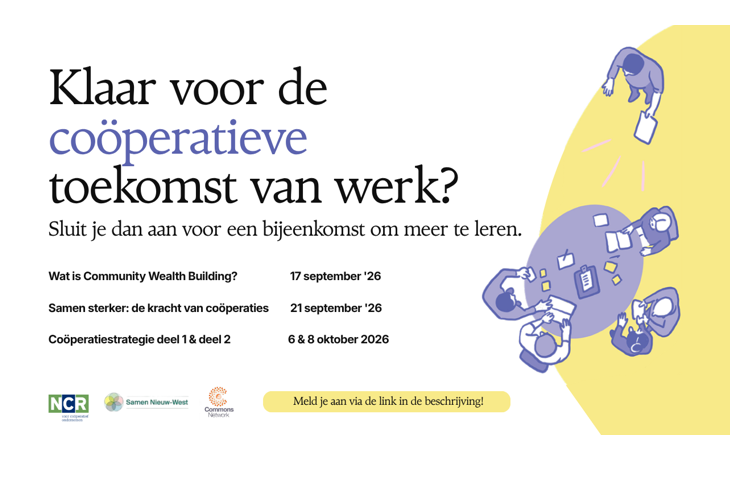
In The Hague, Netherlands, Cooperatie.nl presents a series of talks that analyze the role of cooperatives and what the creation of community wealth means
https://www.bbc.co.uk/programmes/w1730bn6n9bd3dk
The United States military has acknowledged for the first time that it has placed weapons in space. There is not much more information, but it is a historic leap... Toward the abyss.
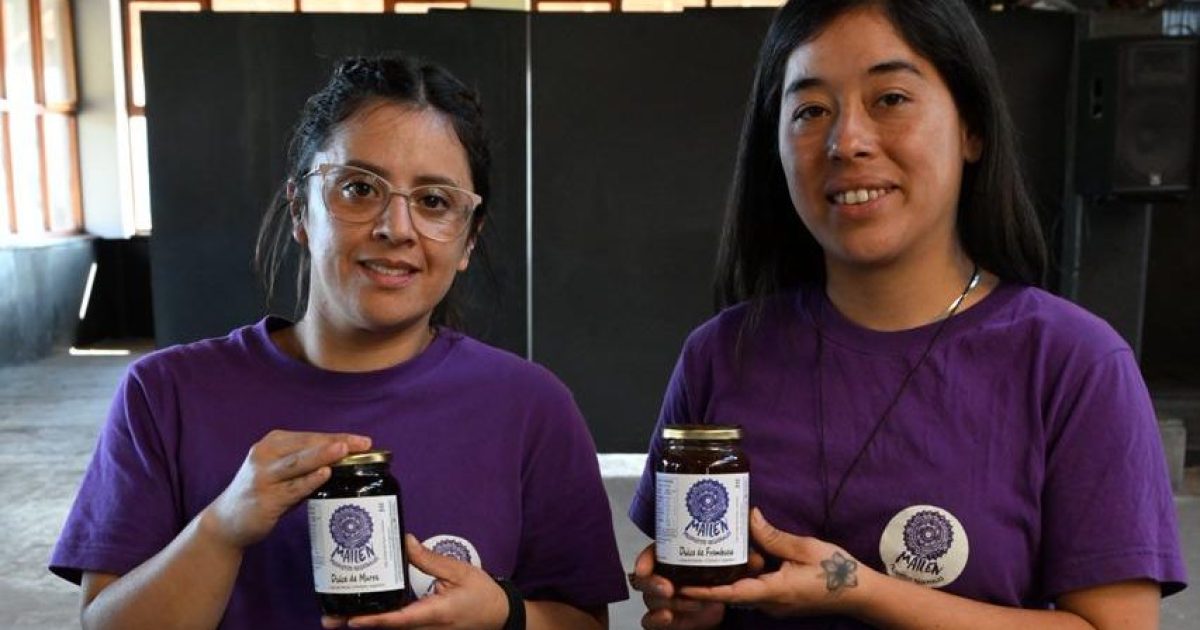
In El Bolsón, Argentina, three women sustain the Mailén cooperative, created in 2017 to generate work. They make jams with Patagonian fruits, transforming the need for jobs into a collective project
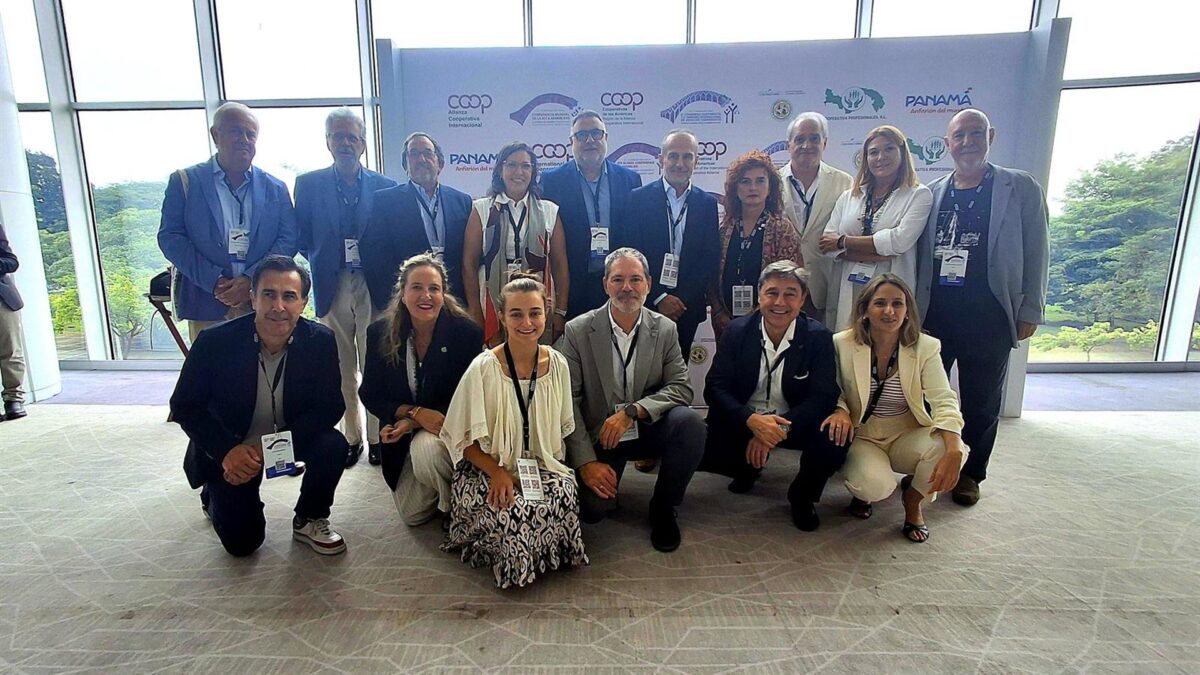
Forbes: Coceta renews its representation of Spain on the board of directors of the International Cooperative Alliance. The Confederation of Worker Cooperatives of Spain (Coceta), based in Madrid, Spain, keeps its seat on the board of directors of the International Cooperative Alliance. The decision strengthens the presence of Spanish worker cooperativism on the global stage
https://uk.finance.yahoo.com/news/house-passes-landmark-retire-ownership-232700954.html
The United States House of Representatives, in Washington D.C., passed the Retirement Through Ownership Act, historic ESOP legislation, with strong bipartisan support. It now heads to the president for his signature and enactment into law
In April 2026, the employees of Ludovic Hayes traiteur took over ownership of the company by forming a workers' cooperative (Scop) in Mouilleron-le-Captif, in the Vendée, France, after successfully meeting the challenge of a worker buyout
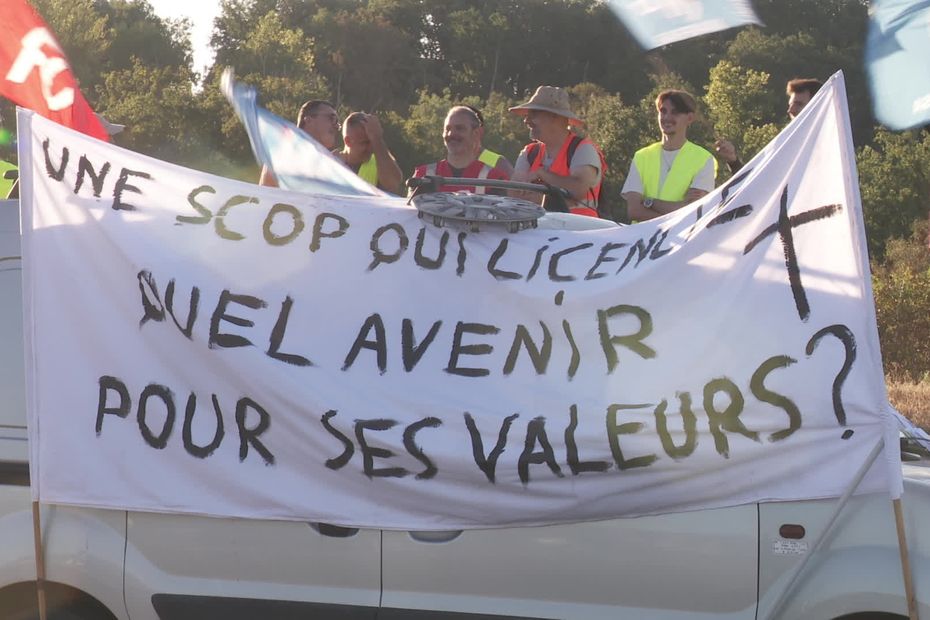
The supposedly modern model of French SCOPs, another ICA invention, is full of examples. An SCOP that lays off workers: what future for its values? The employees of the brickyard in Colomiers, France, are protesting against the dismissal of 43 jobs. They denounce that a workers' cooperative resorts to layoffs and demand alternatives to preserve jobs and cooperative values
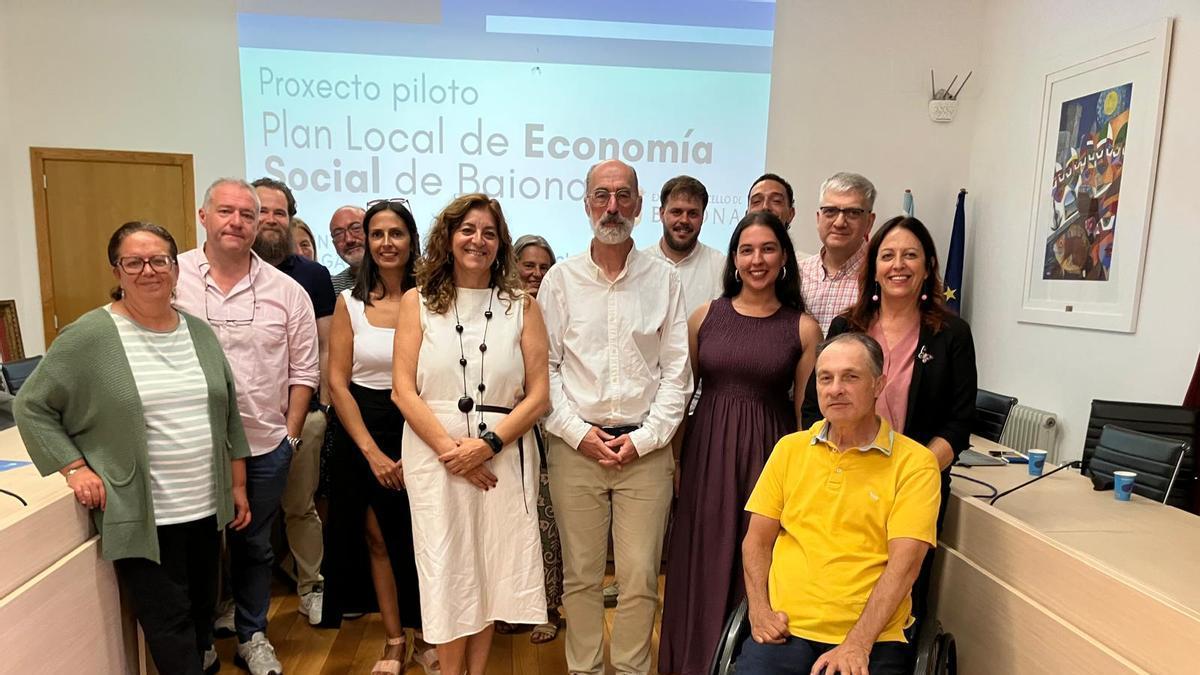
The Xunta is promoting in Baiona, Galicia (Spain), a pioneering social economy initiative that seeks entrepreneurship opportunities developed in community, the launch of cooperatives to build affordable housing and leisure activities for all ages, with the aim of generating employment in the territory
https://sbj.net/stories/mama-jeans-puts-esop-into-effect,105753
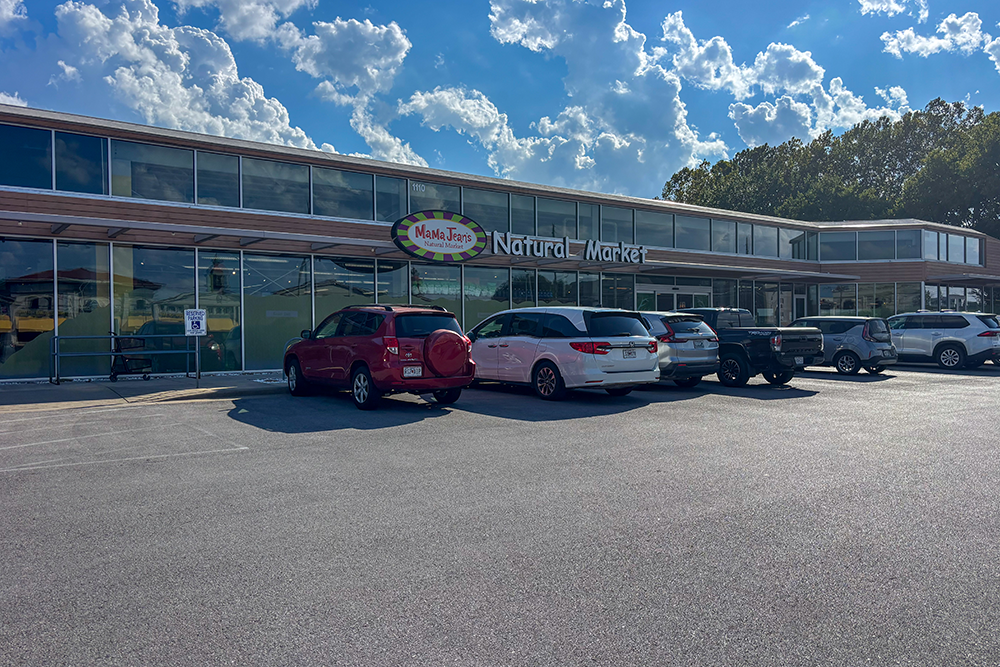
MaMa Jean's Natural Market, in Springfield, Missouri, United States, implemented an employee stock ownership plan (ESOP), becoming 100% employee-owned. The company, with about 150 employees, announced it via press release
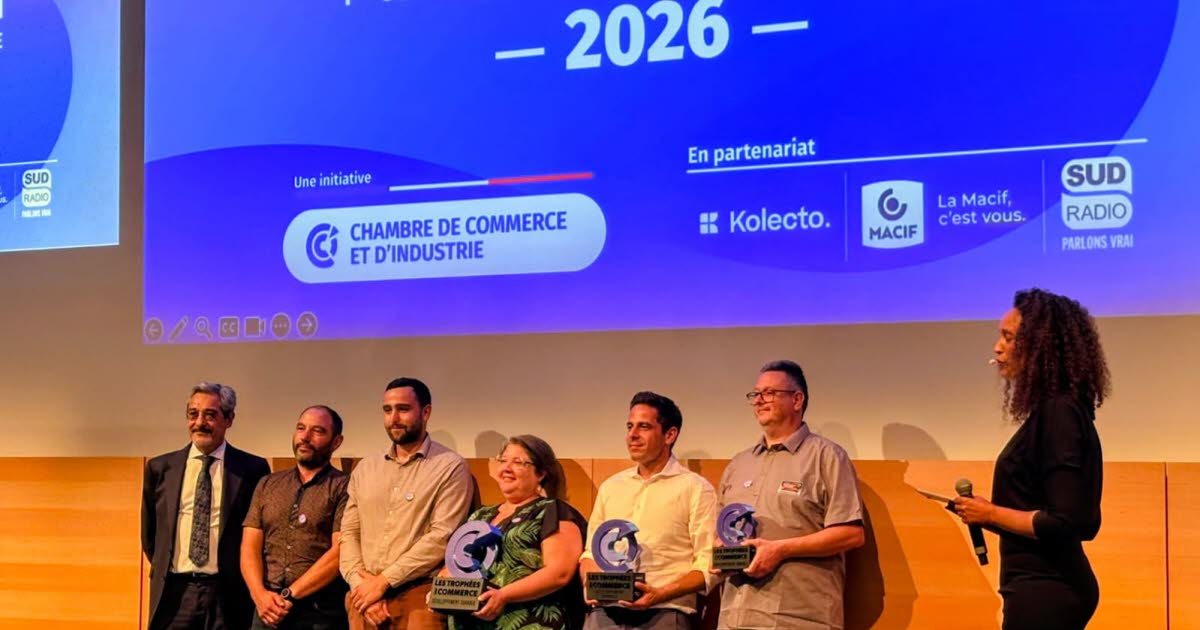
The worker cooperative Carte Blanche, in France, supplies eight municipalities. It has won the national prize of the chambers of commerce and industry, a recognition of its model of a worker cooperative with social and environmental impact
https://uk.finance.yahoo.com/news/2026-stout-esop-index-reports-120300399.html
Stout published its second annual analysis of investment returns among private companies with employee stock ownership plans (ESOPs), based in Chicago, United States. The index recorded an 18.1% one-year return, outperforming the S&P 500
The Government of Argentina extended in Buenos Aires the deadline to draft and define the regulatory rules that will govern the worker cooperative sector, according to reports. The measure postpones the definition of the legal framework applicable to these worker-owned companies
https://basta.media/darna-une-cantine-cooperative-et-engagee-a-montreuil
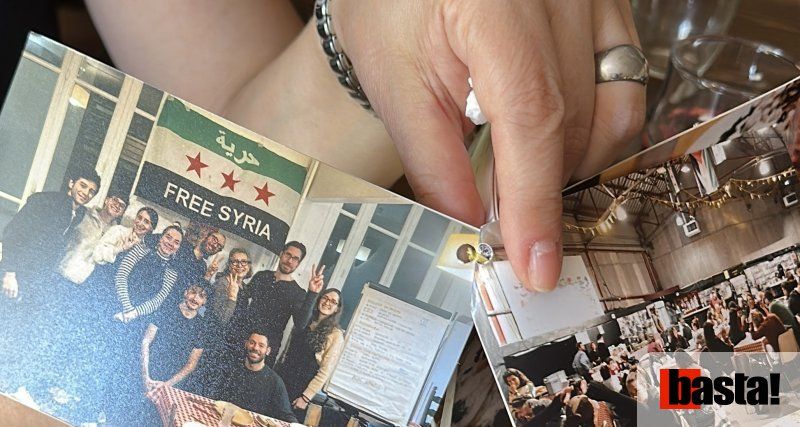
In Montreuil, a cooperative and activist space runs thanks to the dedication of volunteers. It is called Darna (formerly a Syrian soup kitchen), a "house of peoples and exiles." Darna is at once a cooperative soup kitchen, a café, and a space for meeting and welcoming
The Sicle cooperative, specialized in bicycle gardening, has acquired 450 square meters of garden on the rooftop of a building in Angers, France. The project, worth almost one million euros, seeks to boost its urban gardening activity
https://www.euronews.com/next/2026/09/14/chinas-xi-jinping-proposes-brics-open-source-ai-zone
"China will lead the creation of an "open-source zone for artificial intelligence" for the BRICS countries, President Xi Jinping said on Sunday at a summit of the 11-nation group held in New Delhi. Xi also called for the establishment of a "broad and consensus-based global AI governance framework.""
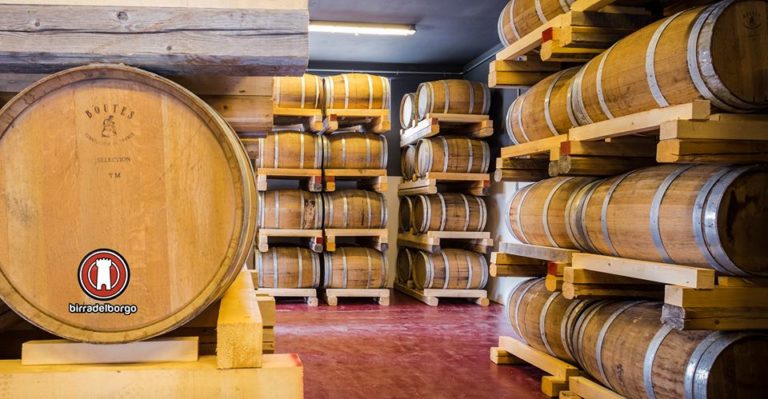
In Rieti, Italy, a proposal arises for the employees of the Birra del Borgo brewery to organize as a workers' cooperative to take over the company and prevent its disappearance, betting on a model of ownership and management in the hands of the workers
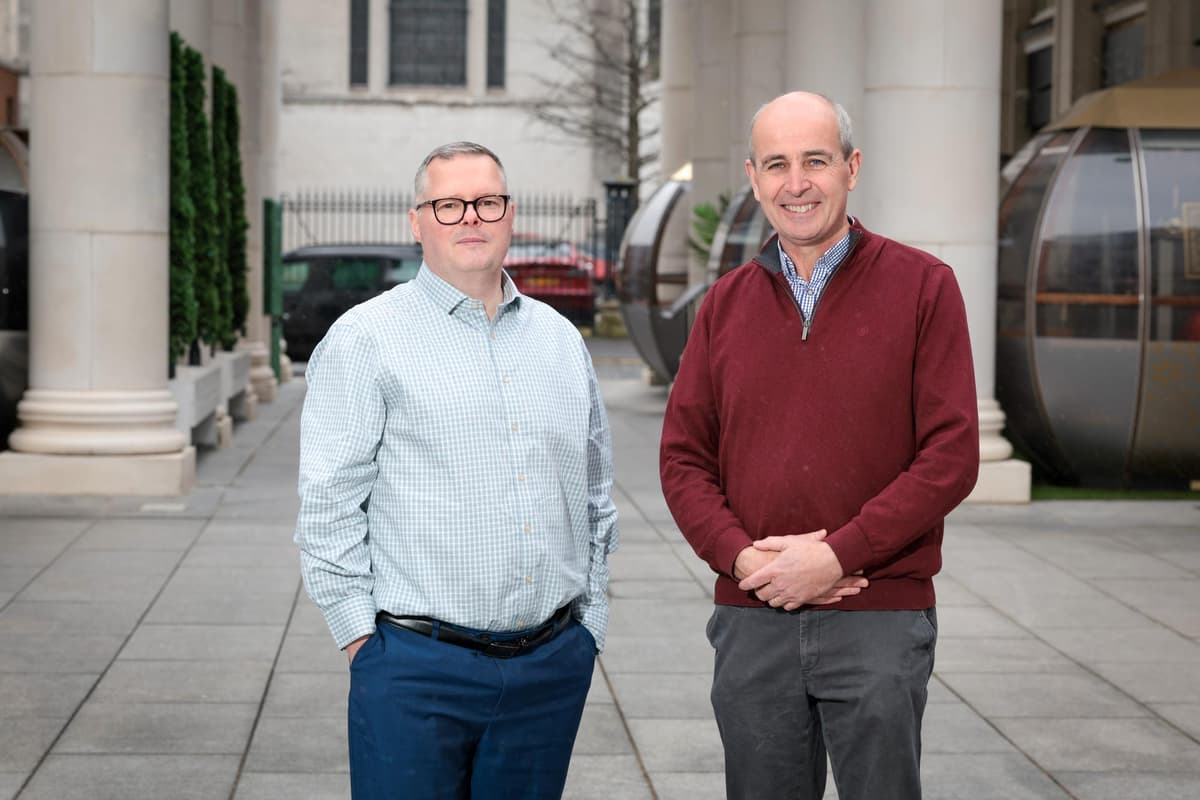
In Belfast, Northern Ireland (United Kingdom), new advisors are joining to support companies that adopt employee ownership. The sector shows a "strong appetite" for this model, which allows workers to participate in the ownership of their companies
https://cyborgspaces.com/2026/09/06/autistici-inventati-censurado-por-los-eeuu/
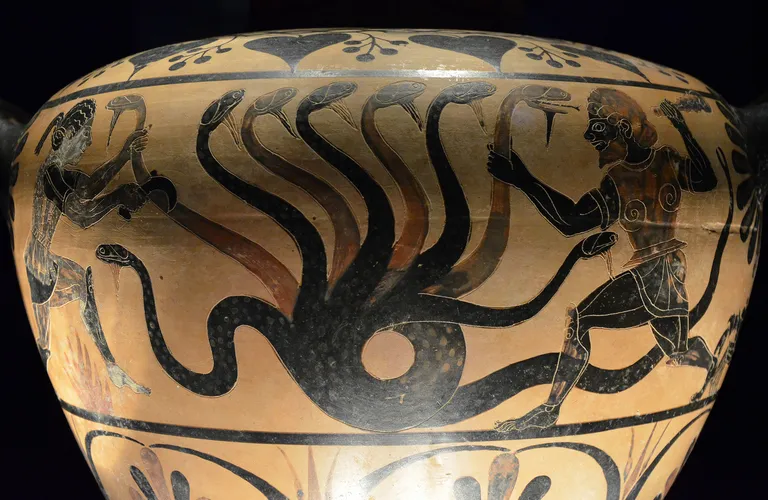
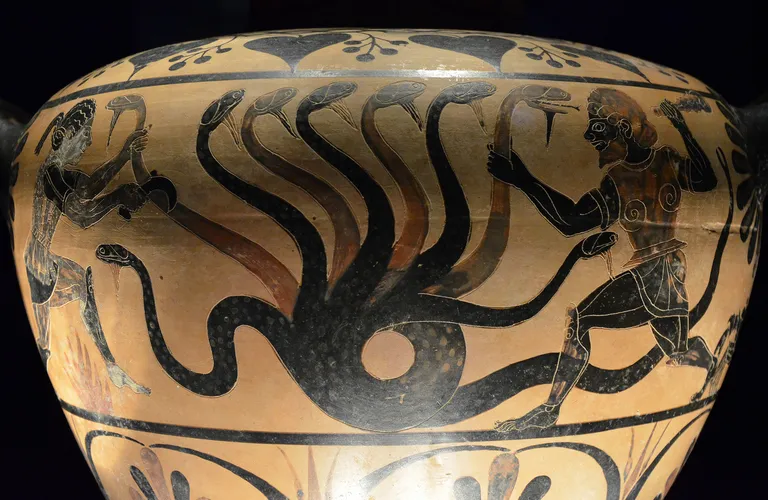
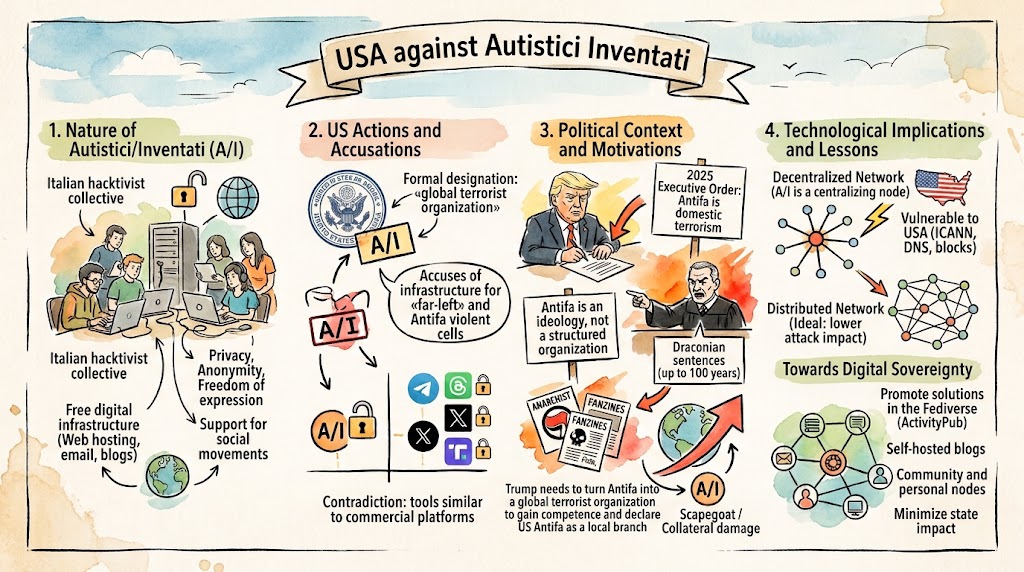
"The solution is to be the Lernaean Hydra, so that from each cut head two new ones emerge (if they are more, better). The goal is the distributed network, where the fewest possible nodes fall when there is an attack like the one we have seen.
Perhaps seen this way, the closure of A/I is an opportunity to create something new, a network where we are sovereigns of our spaces, where they do not silence us and, above all, as A/I always reminds us, we continue to be human."
In Paris, France, the local press highlights the activity and employment cooperative (CAE), which allows young self-employed workers to receive support and the protection of a permanent employment contract (CDI), feeling supported in their dual role as entrepreneurs and employees
In Brittany (France), bakers nearing retirement seek for their workers to take over the business to avoid closure and unemployment. The initiative reflects the need for a process of transferring the company to workers for the entire rural community environment
https://www.centpourcent-vosges.fr/actu/isopeint-renait-sous-forme-de-scop-a-golbey/
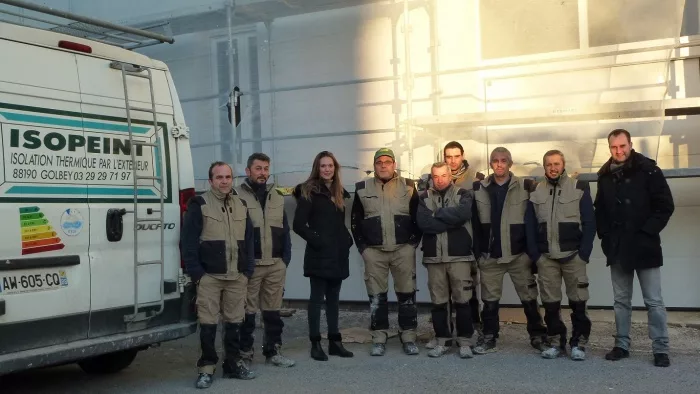
The French painting company of Golbey resumes its activity under the Scop model (associated worker cooperative), managed by its workers, thus preserving employment and local activity
https://www.lyondemain.fr/epicerie-lell-villeurbanne-anniversaire/
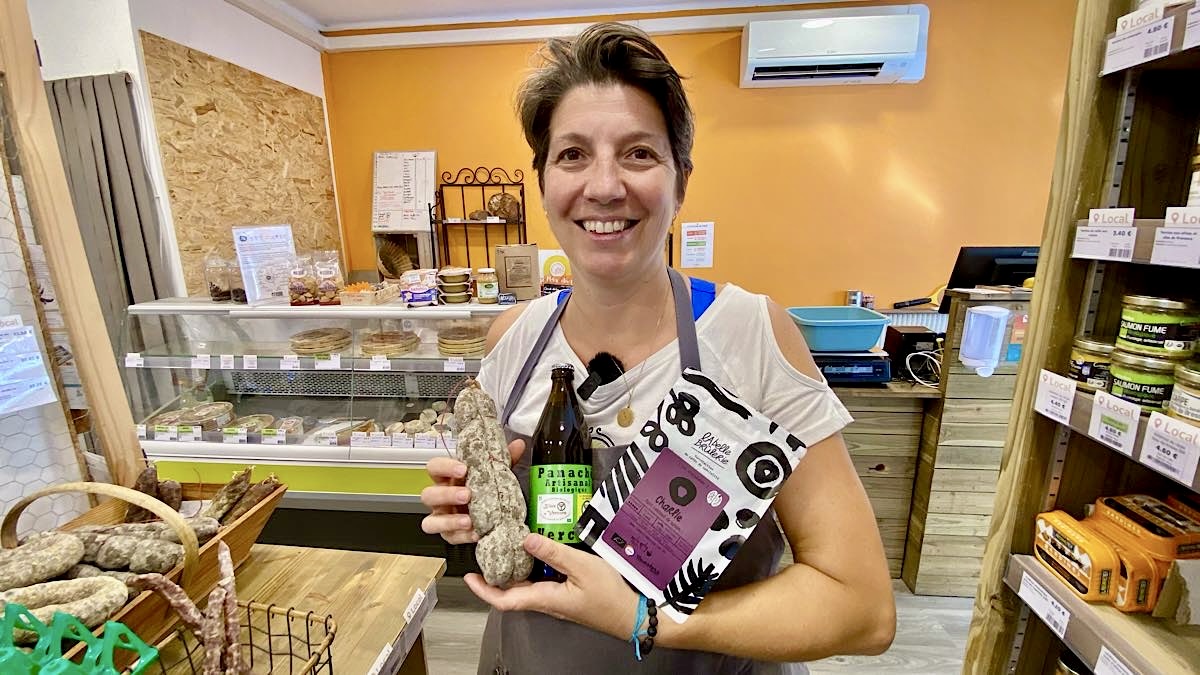
The LELL grocery store, located in Villeurbanne (Lyon, France), celebrates its tenth anniversary as a Scop, a worker cooperative, betting on a collaboration network to ensure its continuity and sustainability
https://fr.news.yahoo.com/l-intelligence-collective-%C3%A7a-existe-093011675.html
In France, faced with the closure of their company, workers unite and create cooperatives to resume activity. Some of them will share their experience at the event «Refaire (ensemble)»
https://www.njsendems.org/CivicAlerts.aspx?AID\u003d1459
This initiative, promoted by legislators Zwicker and Turner, encourages the purchase of companies by workers through ESOPs and cooperatives, with the aim of preserving jobs and facilitating business succession
An opinion article published in Cincinnati, USA, argues that employees should share in the profits they generate. The column advocates for worker ownership mechanisms, such as ESOPs, to rebuild the American dream and reduce inequality, giving workers a real stake in companies.
Governor Sherrill signs legislation expanding employee ownership in New Jersey. The measure, announced in the state of New Jersey (USA), seeks to expand worker equity participation models in the so-called Garden State
https://www.constructiondive.com/news/labor-day-2026-ESOPs-construction/829568/
Let's make Labor Day 2026 focus on employee ownership. The article, published by Construction Dive in Washington D.C. (United States), advocates that Labor Day 2026 promote ESOPs in construction so that workers own their companies.
A column published in the Marin Independent Journal, in the San Francisco Bay Area, California (USA), supports SB 1174. The bill would leverage a state study on employee ownership to promote its adoption through ESOPs, cooperatives, and worker buyouts, as an economic development tool
The founders of Black Tomato sell 75% to an employee-owned trust but retain control. The luxury travel agency based in London, UK, transfers most of its capital to an EOT, maintaining the founding management
https://siouxfalls.business/longtime-rapid-city-hotel-becomes-part-of-ramkotas-employee-ownership/
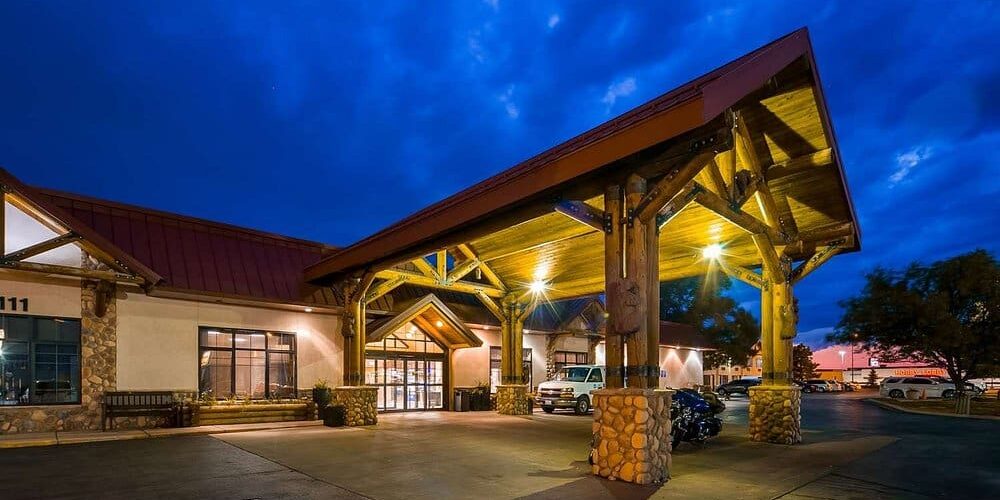
A historic Rapid City hotel joins Ramkota employee ownership. The establishment, with a long history in Rapid City, South Dakota (USA), becomes part of Ramkota's employee ownership program, a hospitality company. The measure expands the participatory model in the sector and ensures the hotel's continuity under worker management
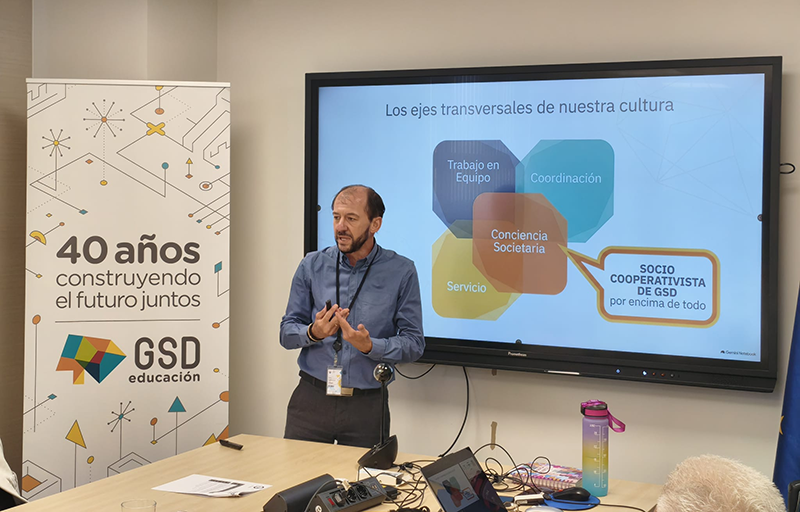
The associated work cooperative Gredos San Diego (GSD), based in Madrid, Spain, has shared its educational and business model with cooperatives from five Ibero-American countries and in an international cooperation initiative that seeks to transfer good practices of participatory management and sustainability
An opinion article in Kentucky, United States, argues that employees are the most suitable owners for local businesses, highlighting how worker ownership can benefit the economy and preserve business legacy
https://www.triodos-im.com/articles/2026/cooperative-norandino-peru---htf-investment
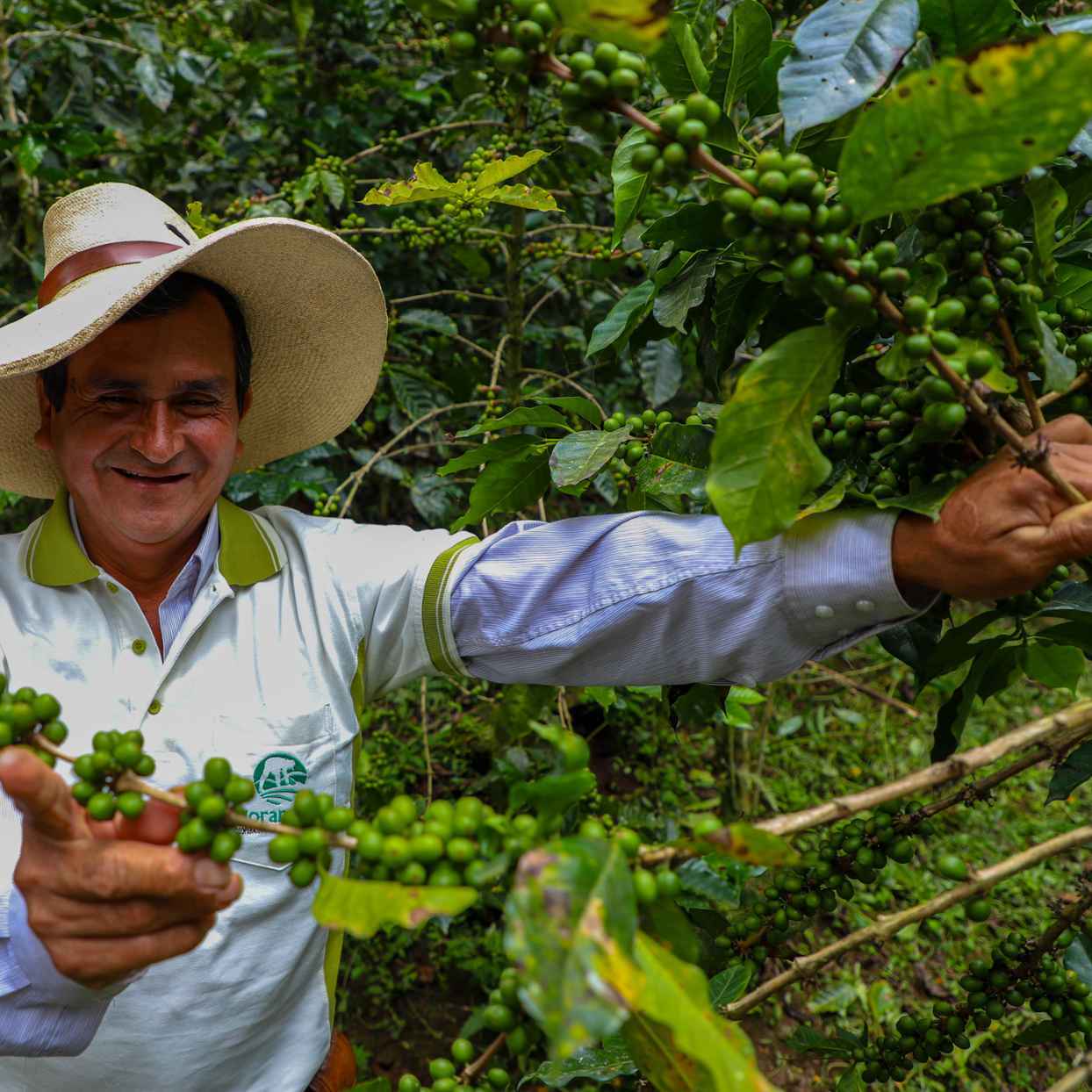
Norandino connects Peruvian farmers with international markets. The agricultural cooperative Norandino, in Peru, collaborates with Triodos Investment Management to link small local producers with global buyers, strengthening their incomes and rural economic sustainability
https://www.bbc.co.uk/programmes/p0p6k9m4
“The United States is under surveillance through an increasingly extensive, technologically advanced, and connected surveillance network.
In some cities, such as Houston, Texas, the true scope of this system is a secret. Law enforcement claims that all of this is for public safety: to prevent crimes and facilitate investigations.
Critics consider it an invasion of privacy, susceptible to misuse, and a covert tool that helps ICE in President Trump's deportation campaign.
One company is bearing the brunt of this backlash: Flock Safety. Its network of AI-powered license plate readers spans more than 6,000 communities, generating 20 billion vehicle scans per month. Some vigilante groups have been disabling Flock devices. Social media is full of tips on how to block or disable the cameras.”
https://maximalism.blog/usa-vs-a-i-1
The US has declared a free hosting service for Italian anarchist and dissident groups a "global terrorist organization". Why? What we learn from this, and what it means for Europe, your city council, and your online environment, regardless of your ideology.
https://inthesetimes.com/article/former-strikers-start-cooperative-news-organization
Ex-workers on strike at the Pittsburgh Post-Gazette founded a cooperative news organization, creating an employee-owned alternative in the media sector. The initiative reflects an emerging model in response to labor conflicts in the press.
“Senate Bill 1174, introduced by Republican state Senator Suzette Valladares of Santa Clarita, would give contractors with qualifying employee stock ownership plans (ESOPs) a modest preference when bidding on state-funded Caltrans construction projects: 2 percent for companies with between 30 and 49 percent ESOP ownership, 3 percent for those with between 50 and 99 percent ownership, and 4 percent for those with 100 percent ownership. Contractors that are signatories to a qualifying collective bargaining agreement or master labor agreement would receive an additional percentage point.”
https://fabricadeperiodismo.com/reportajes/la-revolucion-permanente-cooperativa-pascual/
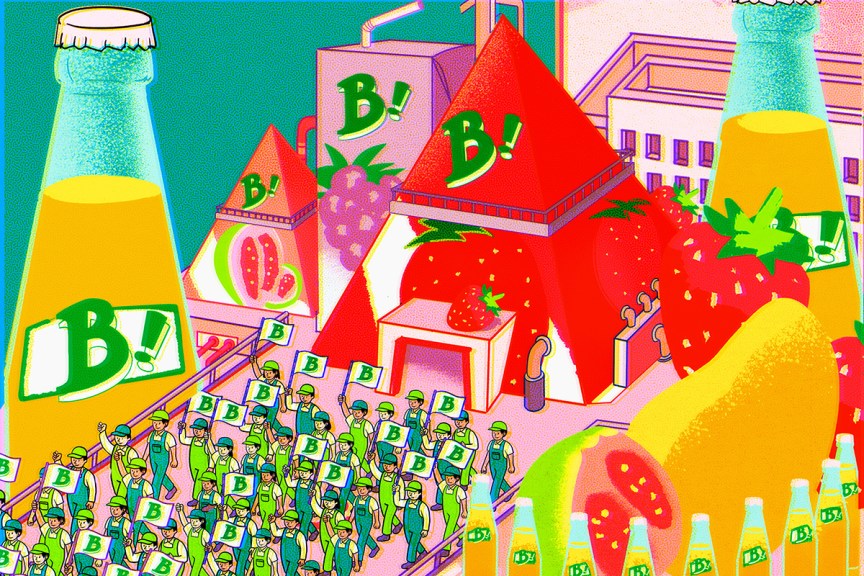
To be born, the Pascual Workers Cooperative Society had to pay, since 1985, a toll of blood and death, survive more than a thousand days of strike, economic hardships for workers and their families, the loss of their original plants, and government indifference. Forty-one years later, the sugary drinks tax, their expulsion from schools, and a market favoring transnational soda companies have it – again – against the ropes.
https://inequality.org/article/co-op-bookstores-advance-economic-democracy/
Its physical location opened its doors on November 15, 2025. "There was a very community atmosphere," Matthew Rivera, a Washington D.C. resident who was there that day, told Inequality.org . "In the end, it was a success for the community."
Today, the bookstore continues to operate both as a place to buy books and as a community space for public education. According to its managers, these differences are intentional and a consequence of its ownership structure.

https://maximalismo.blog/ia-trabajo-sociedad-corto-plazo
Diez años después de la victoria de AlphaGo sobre Lee Sedol, herramientas de IA capaces de escribir software, automatizar tareas administrativas y crear nuevos productos digitales están cambiando la organización del trabajo, las expectativas de los mercados y la escala necesaria para emprender. Analizamos cómo la IA cambiará el trabajo y la sociedad a corto plazo, desde el auge del «vibe coding» y la automatización del trabajo de oficina hasta sus efectos sobre el capital, la productividad y los riesgos morales y militares en una sociedad cada vez más mediada por la inteligencia artificial.
https://maximalismo.blog/cooperativas-funerarias-union-europea
En Francia, Italia, Bélgica o España, las cooperativas funerarias en Europa están transformando los servicios funerarios con un modelo basado en la transparencia, la participación comunitaria, la sostenibilidad y los precios asequibles. Frente a un mercado tradicional marcado por la opacidad y el alto coste de los funerales, estas iniciativas ofrecen funerales más accesibles, personalizados y sostenibles, fortalecen la economía local y devuelven a las personas la soberanía sobre el último adiós. Cada vez más comunidades apuestan por esta alternativa cooperativa que une dignidad, comunidad y democratización del funeral.
https://maximalism.blog/the-21st-century-we-deserve-is-being-born-in-rural-areas
In a village in the extreme southwest of Europe, we are building a community that combines free knowledge, cooperatives, open technology, and rural repopulation. Around the Juan Urrutia Library—driven by the Center for Maximalist Studies, the Maximalist Company S.Coop., and the Repopulation Foundation—an ecosystem is taking shape where living, working, and learning are all part of the same project. We invite you to get to know us, to become a part of it, and... to contribute.
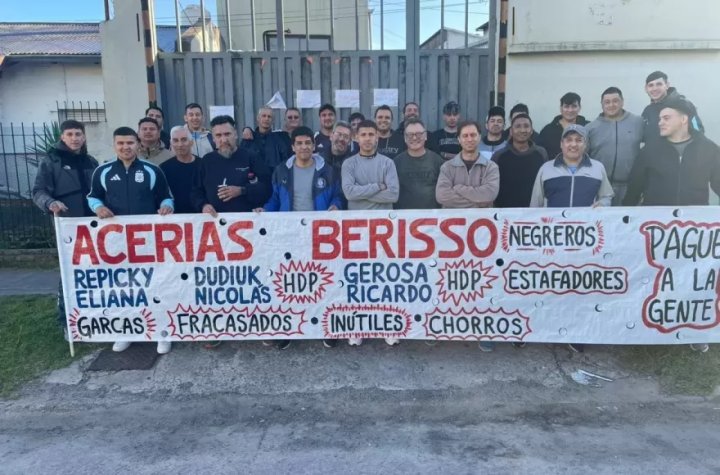
The Beriso factory in La Plata closed without paying wages, social security contributions, or severance pay. Today, the workers are planning to form a cooperative to restart production.
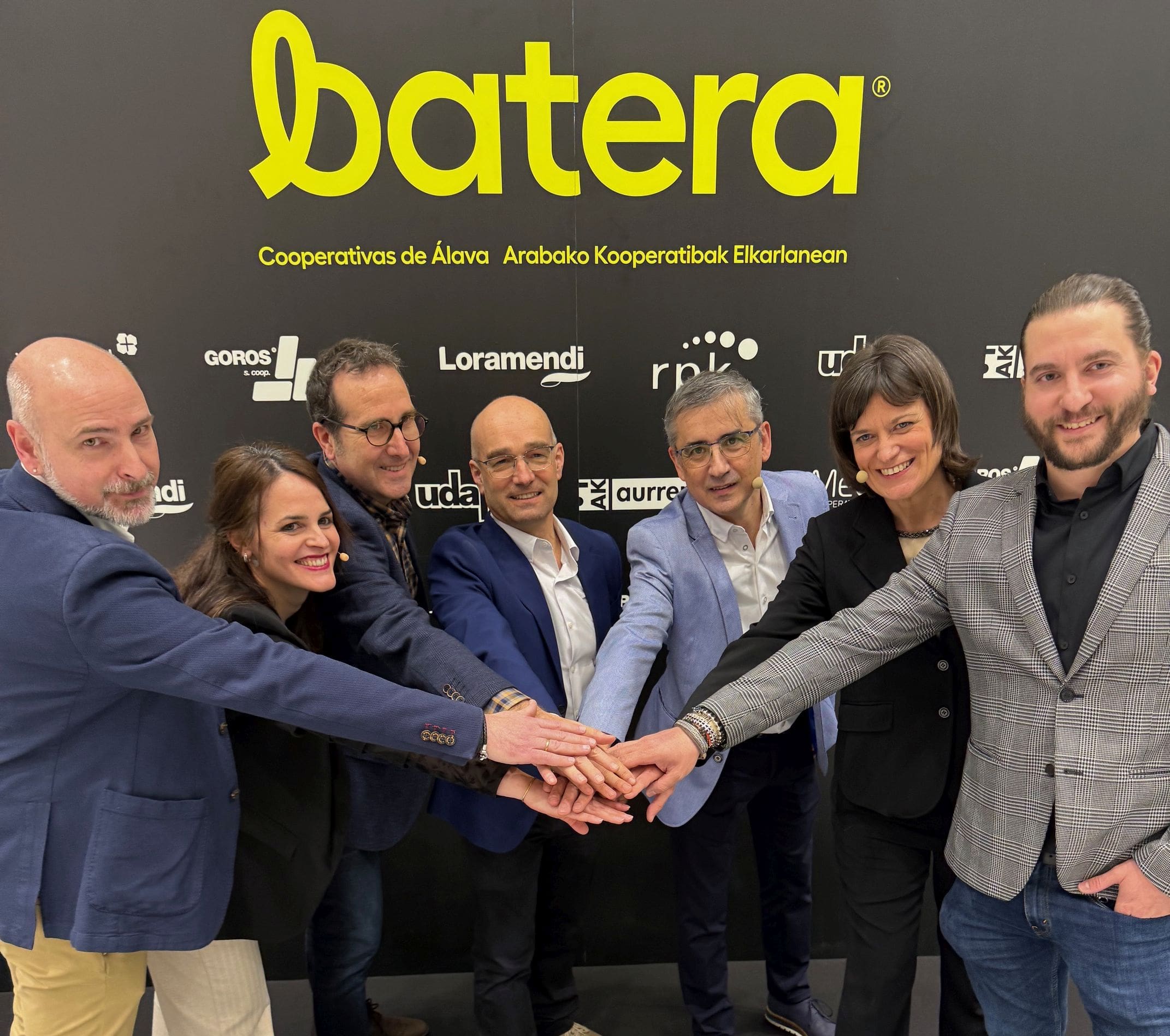
Six industrial cooperatives in Álava, employing over 1,500 workers, have joined together to form the Batera association. The network includes RPK, i+Med, Udapa, Loramendi, Aurrenak, and Goros. They aim to "combine their capabilities to strengthen the cooperative model as an engine of economic and social development in the region."
https://vientosur.info/pueden-las-cooperativas-salvar-a-las-y-los-trabajadores/
“For the CGT, in these companies acquired by cooperatives, it is often the cooperative itself, which has saved jobs, that must be defended. The failure to recognize the divisions that affect wage earners hinders the political subjectivity of subordinate workers and can lead to disengagement from activism. In fact, this devalues certain union practices that were previously valued in the workplace, such as confronting the boss or management, which provided social recognition for workers. Material demands are also devalued in this context, and different wage relationships are imposed based on one's position in the production process. The demand for a wage increase, important for subordinate workers, is less so for union leaders and managers, who prioritize defending the cooperative.”
https://nonprofitquarterly.org/growing-a-solidarity-economy/
"As Mondragón has transformed its regional economy, its worker-members have faced real challenges in upholding cooperative principles. This includes the hiring of non-owner wage earners and the establishment of non-cooperative subsidiaries outside of Spain, according to a report by researchers Ignacio Bretos and Anjel Errasti."
"These challenges will affect the United States even more severely, where almost every way people meet their needs (food, energy, health care) depends on extraction from other parts of the world."
https://coceta.coop/wp-content/uploads/2026/02/Informe-El-Valor-Coop-2025.pdf
"Worker cooperatives represent around 77% of the new cooperatives created in the last decade, consolidating themselves as the main avenue for collective self-employment in Spain. Cooperatives integrate women, young people and people with lower levels of qualification to a greater extent, and have a greater presence in rural areas and intermediate cities, contributing to territorial cohesion and the fight against depopulation."
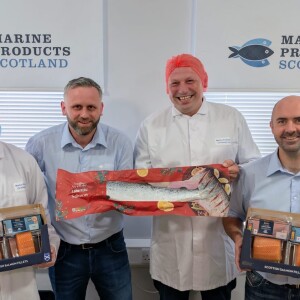
Under the EOT structure, the company is now owned by a trust that holds the shares on behalf of all employees. Day-to-day operations will continue to be managed by the current leadership team. CEO Mary Bisset will remain at the helm, having been with the company for over 20 years and serving as CEO for eight years.
She stated, "This is a positive step for Marine Products. We wanted an ownership model that would protect the company's legacy while also providing the best possible platform for the future."
Employee ownership achieves precisely that: it maintains the company's independence, enables long-term decision-making, and recognizes that our people are fundamental to our success. Employees know this company best, and this structure puts them at the heart of protecting its future.
https://wheatley.byu.edu/the-dating-recession
A recent survey of young adults by the Institute for Family Studies and the Wheatley Institute at Brigham Young University found that only 30 percent of respondents were actively dating, even though roughly half of them indicated they were interested in finding a relationship. They cited a lack of confidence in what researchers termed "dating efficacy": fewer than 40 percent believed they were attractive to potential partners or felt comfortable discussing their feelings with them. Only about a quarter felt confident approaching a potential partner or in their ability to remain positive after a dating setback—a rejection, a bad date, or a breakup. If trends continue, one in three adults currently in their 20s and 30s will never marry, contributing to an epidemic of loneliness that is already generationally acute.
The top AIs from OpenAI, Anthropic, and Google chose to use nuclear weapons in simulated war games in 95 percent of cases.
https://www.nytimes.com/2026/03/03/well/pet-longevity-health-benefits.html
Studies show that owning a pet is associated with lower blood pressure, a reduced risk of cardiovascular disease, and lower mortality rates following a heart attack or stroke. Furthermore, a comprehensive review of studies published in 2019 revealed that owning a dog was associated with a 24% lower risk of dying from any cause within 10 years.
https://www.ft.com/content/bf998c69-ab46-4fa3-aae4-8f18f7387836
“Nearly all of Tehran’s traffic cameras had been hacked for years, their images encrypted and transmitted to servers in Tel Aviv and southern Israel, according to two people familiar with the matter. One camera had an angle that proved particularly useful, one of the people said, allowing them to determine where the men liked to park their personal cars and providing a window into the workings of a mundane part of the zealously guarded complex. Complex algorithms added details to the files of these security guards, including their addresses, working hours, the routes they took to get to work, and, most importantly, whom they were typically assigned to protect and transport, creating what intelligence officers call a ‘life pattern.’”
https://www.taxresearch.org.uk/Blog/2026/02/25/if-capitalism-is-failing-does-cooperation-come-next/
"We begin with the obvious reality that some sectors of the modern economy no longer generate public benefits. I mentioned the technology monopolies that now dominate communications and information. They depend on our data, our labor, our creativity, and yet they operate outside of any meaningful democratic control. They shape policy, distort markets, and extract rents from society without providing proportionate value."
John's point was that this outcome is not accidental. It stems from the way capitalism has been structured over the last half-century. The modern corporation is designed to maximize shareholder returns. This idea was reinforced by economists like Milton Friedman and Michael Jensen, who insisted that directors have no responsibility beyond profits. Once this doctrine is accepted, everything else follows: wage cuts, investment reductions, the creation of monopolies, and the relentless pursuit of short-term gains.
That's capitalism as we know it now. And it doesn't work.
But what struck me most about our conversation was how quickly we moved from criticism to alternatives. John reminded us that cooperatives and mutual societies are not a fringe curiosity. They have existed for centuries, and modern cooperative movements were born here in Britain. Thinkers like Robert Owen and John Stuart Mill saw them as practical ways to combine efficiency and equity.
https://www.nytimes.com/2026/02/27/us/politics/anthropic-military-ai.html
Shortly after Trump's announcement, and 13 minutes after the Pentagon's deadline, Defense Secretary Pete Hegseth designated the company a "supply chain and national security risk." This designation means that no contractor or supplier working with the military can do business with Anthropic. Later on Friday, OpenAI, the creator of ChatGPT, announced that it had reached an agreement with the Department of Defense to provide its AI technology for classified systems.
In a statement, Anthropic asserted, “We maintained our exceptions for two reasons. First, we do not believe that current cutting-edge AI models are reliable enough to be used in fully autonomous weapons. Allowing current models to be used in this way would endanger American combatants and civilians. Second, we believe that mass surveillance of Americans at home constitutes a violation of fundamental rights.”
https://beta.dol.gov/research-data/report/employee-ownership-initiative-report-congress
According to a report from the Department of Labor to the US Congress:
Employee ownership is present in every state in the country, with ESOPs being the most widespread form. Worker cooperatives and employee-owned trusts, while few in number, are forming at a faster rate. Over the past half-century, the number of ESOPs has increased from a few hundred in 1975 to 6,525 plans in 2023. (3) Based on Form 5500 data filed for plan years ending in 2023 (the latest available), these plans cover more than 15 million participants and hold an estimated $2 trillion in assets (including company securities and other retirement plan assets). Large ESOPs (those with 100 or more participants) generated $160.6 billion in direct benefit payments in 2023.
The Polish government's new housing cooperative bill mandates that all members of the Social Council hold a university degree. Anyone still expecting a protest, even a formal one from the ICA, can forget it. Official cooperatives are dominated by professionalized bureaucrats who find it perfectly acceptable to restrict the rights of cooperative members in favor of their peers on the path to professionalization.
https://www.constructionenquirer.com/2026/02/19/employee-owned-kilnbridge-delivers-record-year/
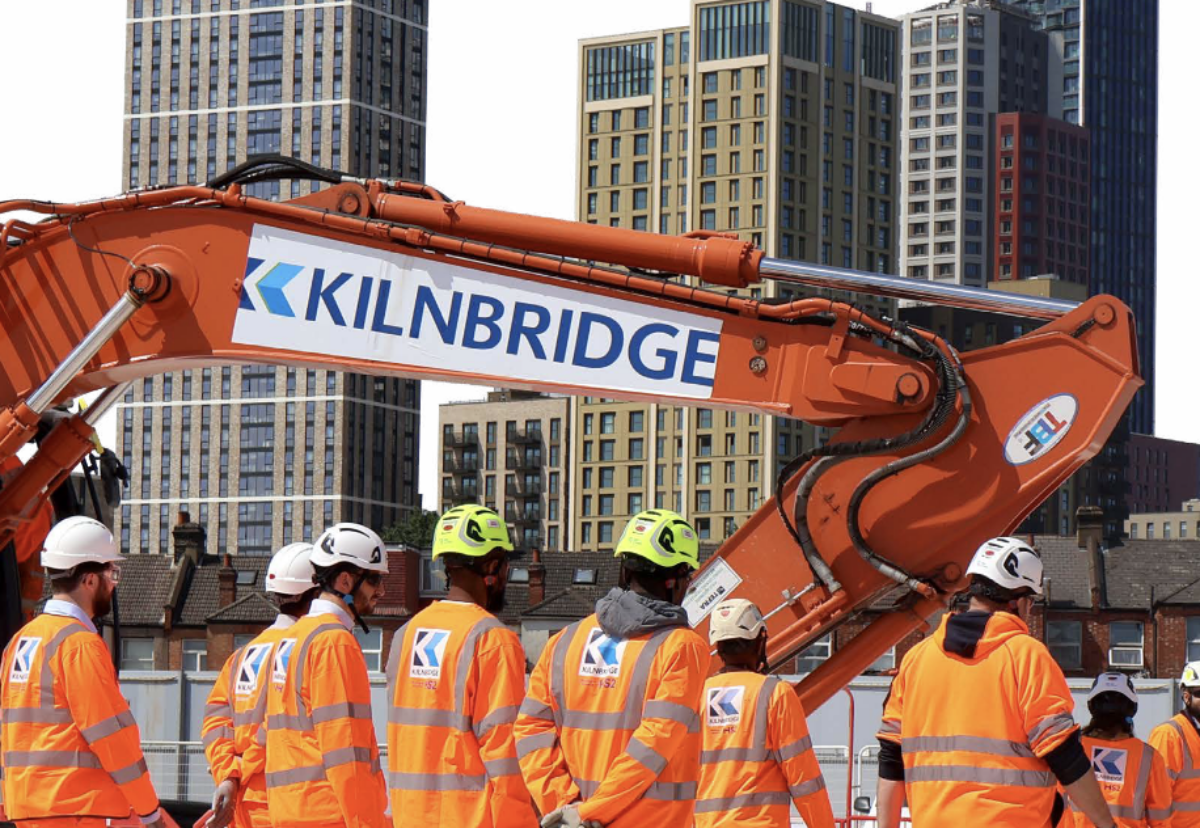
The group recorded a 50% increase in turnover to £129 million in the year to June 2025 thanks to HS2's jobs, business and energy plans.
A backlog of £300 million (2024: £200 million) now supports the next phase of growth, giving the business strong visibility over the next year as it moves forward in the data center, transport and nuclear energy markets.
The improved performance resulted in £349,000 being distributed among all eligible employees in the fourth and highest profit-sharing payout since the transition to an employee-owned group in March 2021.
https://www.citriniresearch.com/p/2028gic?triedRedirect=truehide_intro_popup=true
Throughout modern economic history, human intelligence has been the scarce input. Capital was abundant (or at least replicable). Natural resources were finite, but replaceable. Technology improved slowly enough for humans to adapt. Intelligence—the capacity to analyze, decide, create, persuade, and coordinate—was what could not be replicated on a large scale.
Human intelligence derived its inherent value from its scarcity. All the institutions of our economy, from the labor market to the mortgage market and the tax code, were designed for a world in which that premise held true.
We are now witnessing the erosion of that premium. Artificial intelligence has become a competent and rapidly improving substitute for human intelligence in an ever-expanding range of tasks. The financial system, optimized for decades for a world with scarce human minds, is being revalued. This revaluation is painful, messy, and far from complete.
But revaluation is not the same as collapse.
The economy can find a new equilibrium. Achieving this is one of the few tasks that only humans can accomplish. We need to do it right.
This is the first time in history that the economy's most productive asset has generated fewer jobs, not more. No framework fits, because none were designed for a world where a scarce input has become abundant. Therefore, we have to create new frameworks. The only question that matters is whether we build them in time.
https://www.forbes.com/sites/maryjosephs/2026/02/17/employee-ownership-whats-not-to-love/
This Forbes article marks a paradigm shift in the American business press by elevating employee ownership from a niche topic to a central discussion in the business world, questioning why it isn't a more universally adopted option. It signals a break from the perception of employee ownership as a fringe alternative, positioning it instead as a viable strategic solution to various business challenges.
The Italian region of Veneto wants to accelerate the regionalization of laws that facilitate the purchase of companies in economic or succession crisis by their own workers.
https://talkbusiness.net/2026/01/lexicon-announces-transition-to-employee-ownership/
Founded in 1968, Lexicon, with 3,000 permanent employees, is headquartered in Arkansas. It is now 100% employee-owned.